The Great Repair_Umunyu
Munyu / Arch + / Antecâmara
Nairobi, Kenya
2026
To accompany the exhibition The Great Repair – Umunyu in Nairobi in 2026, we recorded a series of conversations with six architects, thinkers, and activists whose work resonates with the exhibition’s core concerns. Launched during the exhibition and broadcast by Antecâmara, the series extend the exhibition’s inquiry into ecological repair, practices of care, material reuse, and environmental justice by situating these themes within the specific spatial, social, and climatic conditions of Kenya. The conversations seek to echo the exhibition—foregrounding local ecologies of making, modes of collective maintenance, and situated responses to infrastructural inequality and environmental precarity. Together, these voices form a diverse sonic companion to the exhibition, offering an interpretive layer that illuminates how notions of repair and care are being actively reconfigured across Kenya’s built and lived environments.
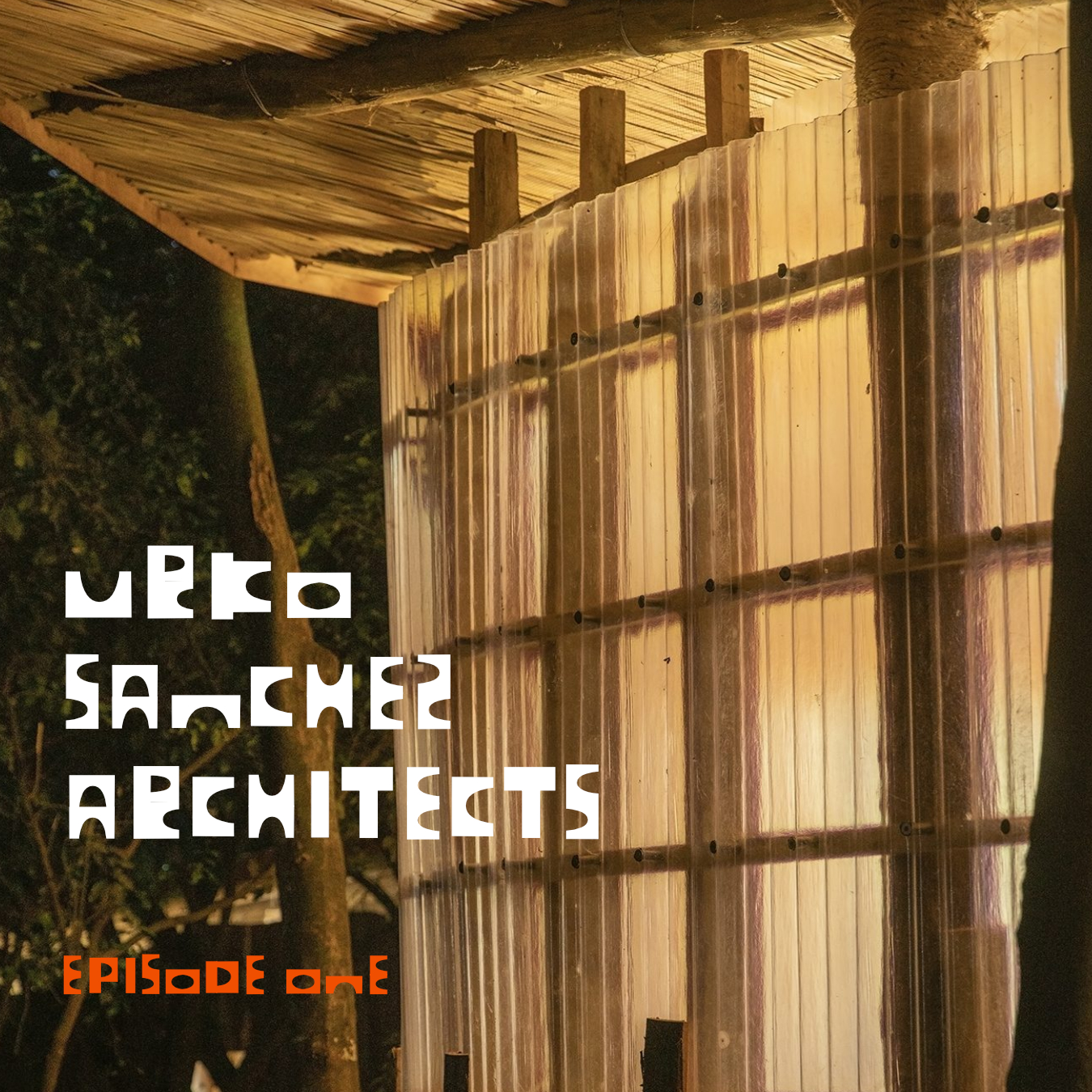
Urko Sanchez Architects An episode exploring Lamu’s Swahili architectural heritage and the qualities of this traditional architecture in terms of thermal regulation, ventilation, spatial organisation, local materials and the craftsmanship of local artisans – qualities that are now in need of revival in the face of energy-intensive modern technologies (air conditioning, concrete construction, generic architecture, etc.). A presentation of the Waldorf School project in Nairobi: a school in the forest, surrounded by trees, whose walls are home to insects and a wealth of biodiversity.
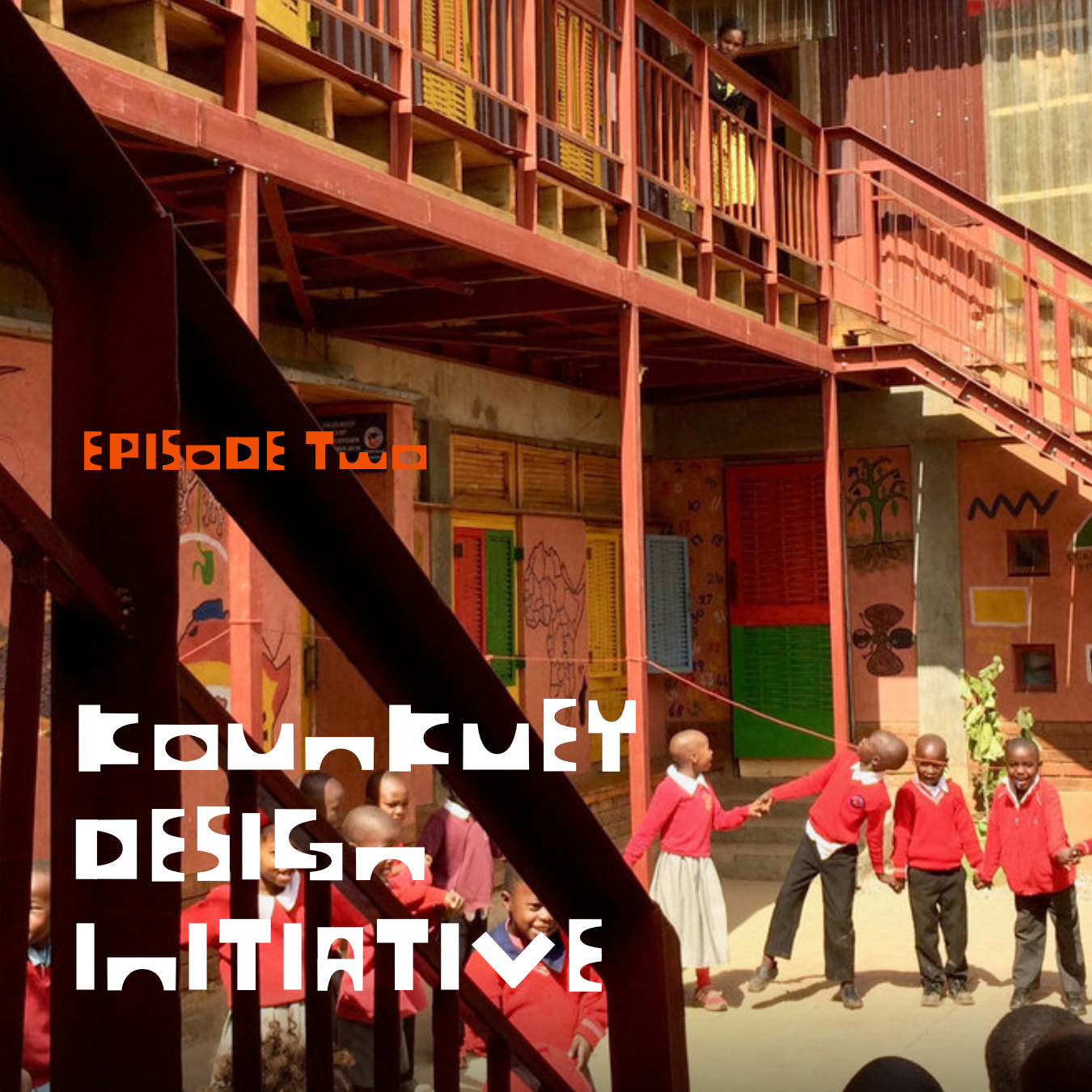
KDI – Kounkuey Design Initiative A presentation of the NGO’s various projects, particularly in Kibera, centred around the rivers that run through the neighbourhoods. The creation of community infrastructure and networks of public spaces, with a focus on gender issues, as well as a discussion of the threat of evictions, the struggle of slum dwellers to claim the land they live on, and the violence they face. The concepts of historical, community and ecological reparation, as well as care, are explored.
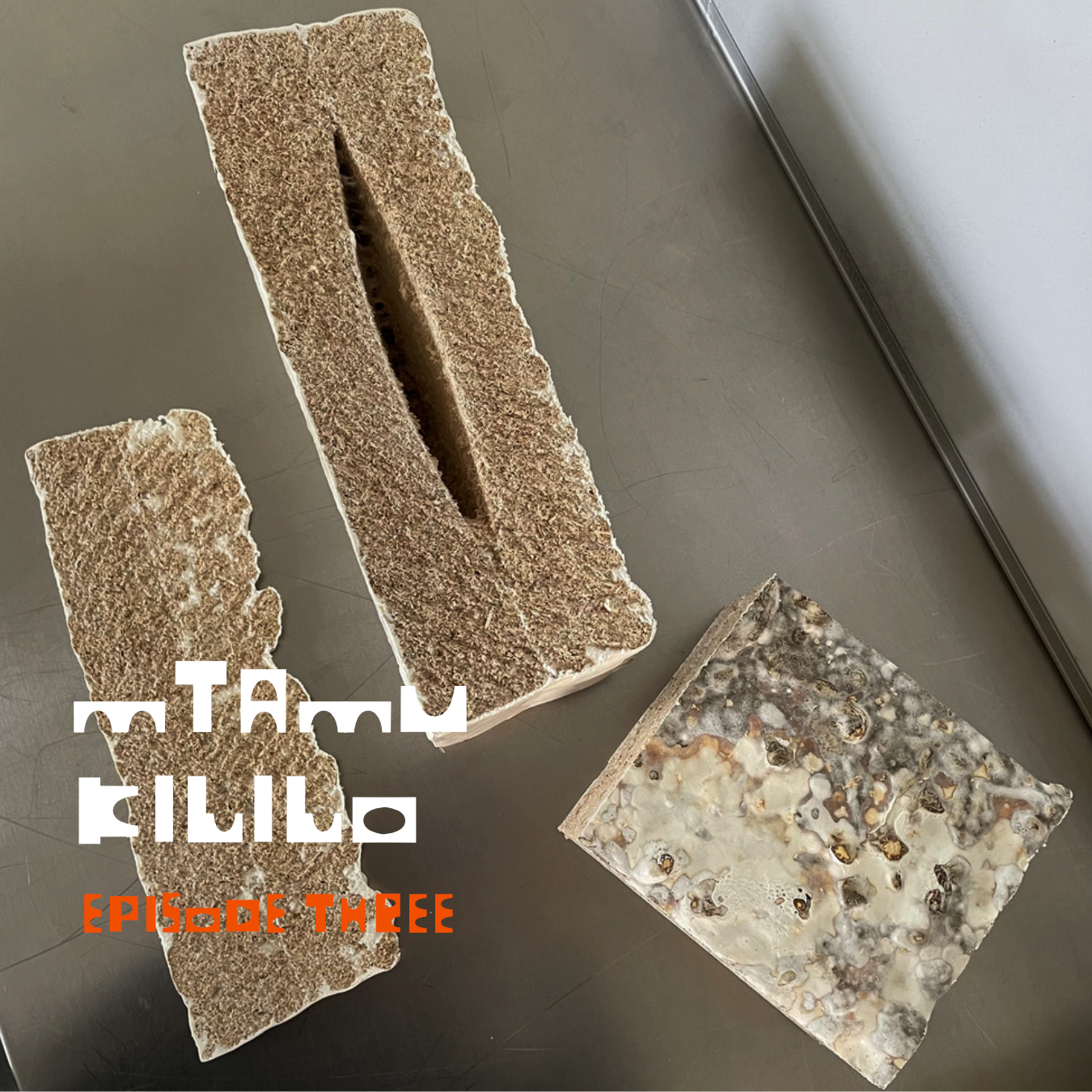
Mtamu Kililo – Mycotile An initiative to create a biomaterial that ‘grows’ from agricultural waste bound together by fungal cultures. The episode explores the many aspects and stages involved in introducing an entirely new material into the construction sector (certification, durability testing, scaling up, production chain, etc.), its potential and initial trials, including in informal settlements, and all the promising developments for more sustainable construction in the future, with less reliance on extractive and oil-dependent materials.
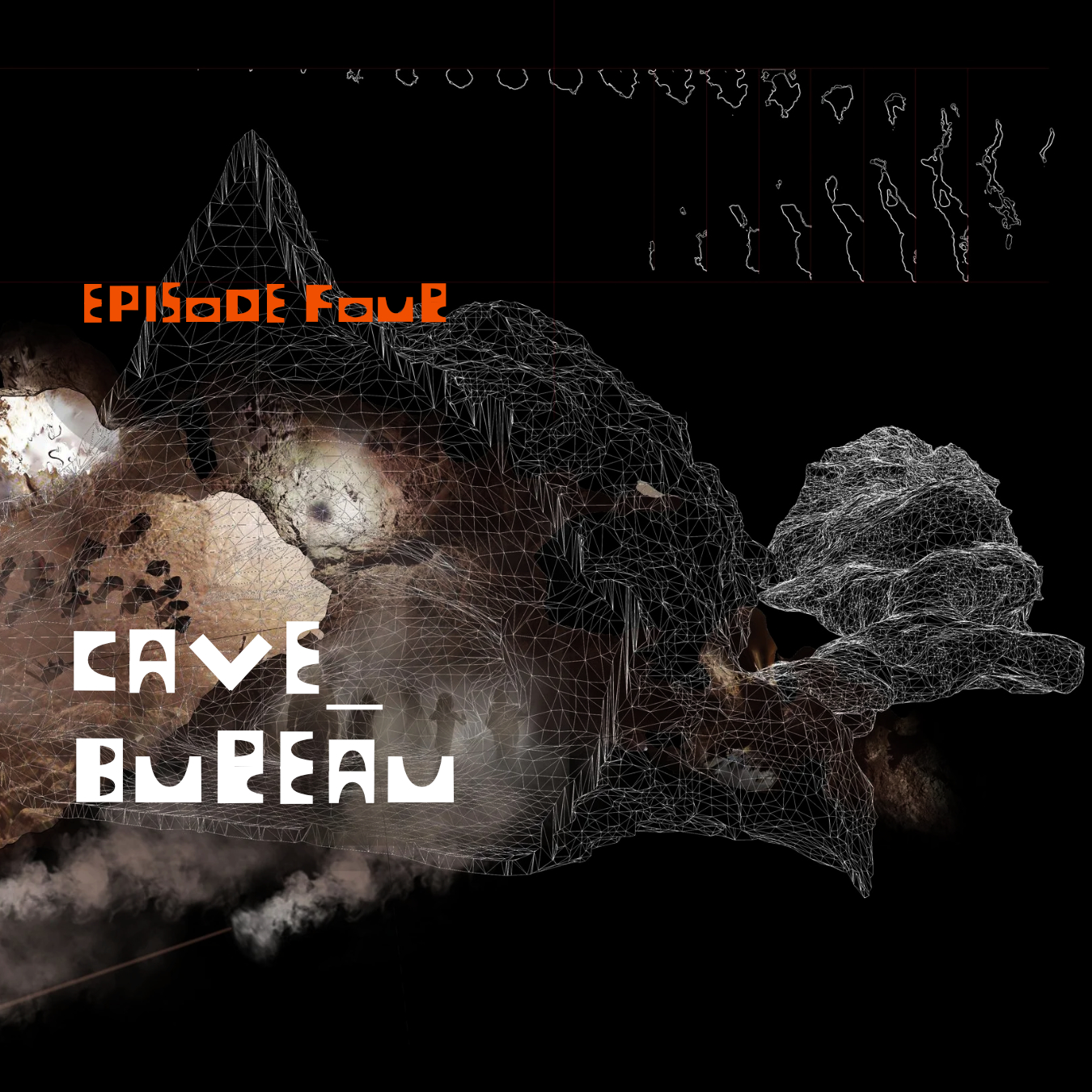
Cave_Bureau A profound reflection on caves as the cradles of humanity, places linked to the history and trauma of slavery, but also to anti-colonial struggles. An episode that shows just how taking the issue of reparations seriously would entail a complete transformation of our societies. We also address the question of designing cities and architecture for and with non-humans. And, in the face of the perpetuation of capitalist and neo-colonial violence, the necessary stance of resistance that must be adopted.
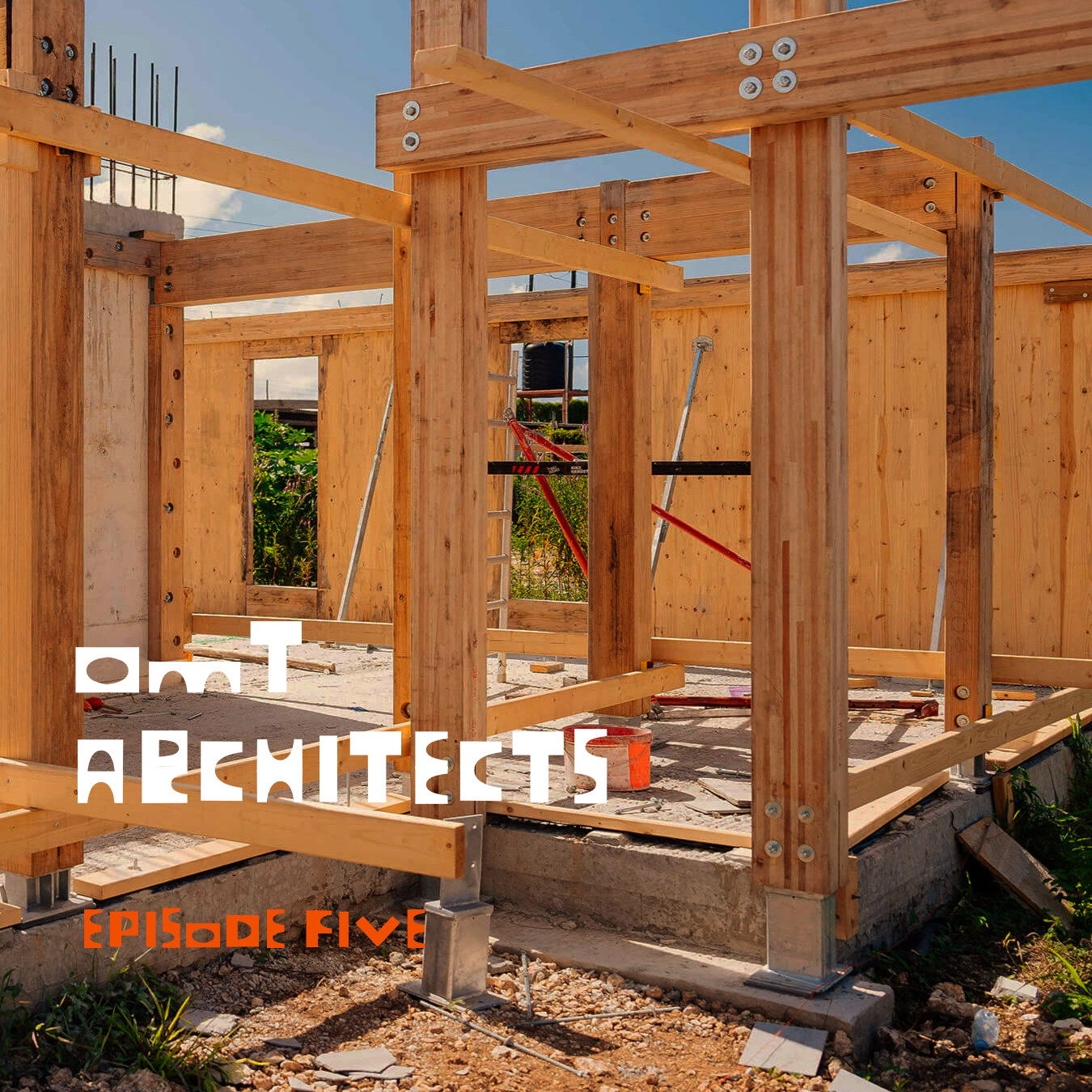
OMT architects This episode explores timber construction as an alternative to concrete construction, and all the elements required to make it a reality, from sustainable forest management to the organisation of building sites, the training of contractors and construction workers, and the evolving environmental standards for new-build projects. An episode on the architect’s profession, exploring how to balance clients’ requirements and use each project as a learning experience for the next. This episode addresses the issue of biomaterials, as well as affordable and adaptable housing – a key factor in ensuring the longevity of buildings – with a view to building better and more sustainably in the future.
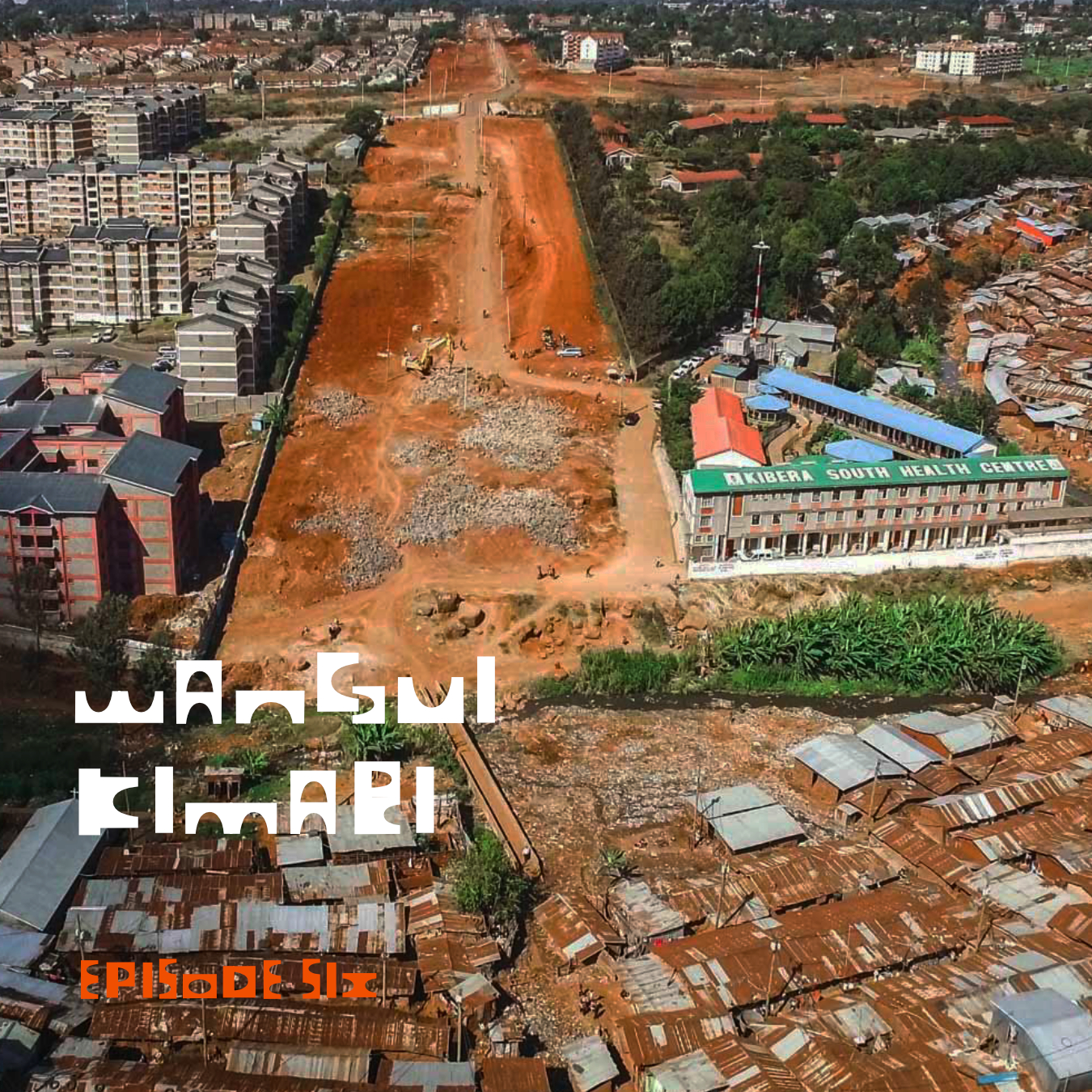
Wangui Kimari This episode offers a profound re-examination of the concept of informality, particularly as it affects 70 per cent of Nairobi’s population. Drawing on the experiences of residents in working-class neighbourhoods, the programme explores ecological reappropriation as an act of reparation (drawing on the examples of the rivers in Kibera and drinking water services), as well as the violence of mega-infrastructure projects that cut through precarious neighbourhoods and put residents at risk, the issues of ‘green colonialism’ or ‘climate colonialism’, and the concept of care in the face of police and state violence, linked to questions of reparation.